


The modern football betting landscape offers dozens of markets for every single match. Walk into any sportsbook or open any betting app, and you will find yourself staring at a wall of options that can feel overwhelming, especially if you are new to wagering on the beautiful game. Match result, Asian handicap, both teams to score, corners, cards, player props — the list goes on and on, and each market comes with its own logic, its own risks, and its own opportunities.
Understanding these markets is not just academic exercise. The difference between a profitable bettor and someone who consistently donates money to bookmakers often comes down to market selection. A sharp bettor knows that the same match can present wildly different value propositions depending on which market you choose. That obvious home favorite at 1.30 odds in the 1X2 market might be terrible value, while the same team at -1.5 Asian handicap could be a goldmine.
This guide breaks down every major football betting market available in 2026. We will cover the mechanics of each bet type, explain when to use them, and highlight the situations where specific markets shine. Whether you are a complete beginner trying to make sense of your first betting slip or an intermediate bettor looking to expand your repertoire, consider this your comprehensive reference for football betting markets.
Match Outcome & Moneyline Betting Markets
The Classic 1X2
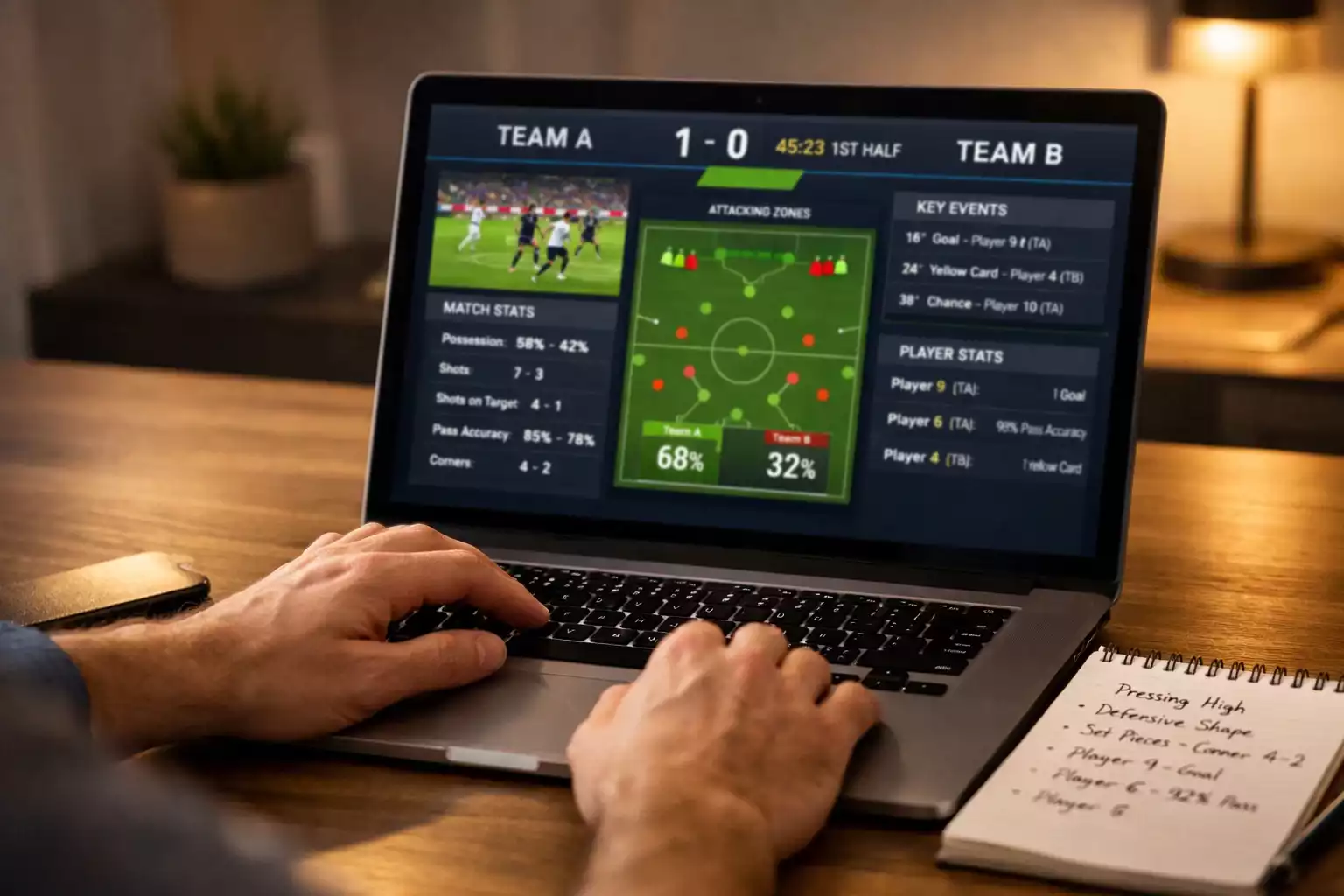
The 1X2 market, also known as the three-way moneyline or simply “match result,” is where football betting began and where most bettors still spend most of their time. The concept is beautifully simple: pick whether the home team wins (1), the match ends in a draw (X), or the away team wins (2). Your bet settles at full time, and extra time or penalties do not count unless explicitly stated otherwise.
This market remains popular because it mirrors how most fans think about football. You watch a match hoping your team wins, so betting on match outcomes feels natural. However, the 1X2 market has a significant feature that separates it from most North American sports betting: the draw. In NFL or NBA betting, ties are essentially non-existent or resolved through overtime. In football, roughly 25-27% of matches across major European leagues end level, which fundamentally changes the mathematics of this market.
The presence of the draw means your single-outcome bet has two ways to lose instead of one. Back the home team, and you lose if the away side wins or if the match draws. This third possibility allows bookmakers to build in substantial margins while still offering seemingly attractive odds on favorites. A dominant home side might deserve to win 65% of the time, but after accounting for the draw probability, their true win probability might only be around 55-58%. Many recreational bettors underestimate this effect, which is precisely why bookmakers love the 1X2 market.
Double Chance
Double chance betting eliminates one of those loss scenarios by allowing you to cover two of the three possible outcomes with a single bet. You can back 1X (home win or draw), X2 (draw or away win), or 12 (either team to win, also called “no draw”). The trade-off is obvious: covering more outcomes means lower odds since you are taking on less risk.
This market works best when you have a strong opinion about what will not happen rather than what will. Maybe you are confident that the home team will not lose, but you are uncertain whether they will actually win or grind out a draw. The 1X double chance lets you profit from that conviction. Similarly, the “12” option makes sense when you expect an attacking, open match where a draw is unlikely — perhaps two teams desperate for three points in a relegation battle.
Double chance also serves as a useful stepping stone for newer bettors. The higher win probability (you are covering roughly 65-75% of outcomes with most double chance bets) makes it easier to build confidence and learn the rhythm of betting before graduating to more precise markets. Just remember that the reduced odds mean you need a higher win rate to turn a profit. Backing favorites at 1.20 in double chance might feel safe, but you are mathematically fighting an uphill battle unless those selections truly have implied probabilities exceeding what the odds suggest.
Draw No Bet
Draw no bet (DNB) is essentially double chance with a twist. Instead of winning on two outcomes, you pick one team to win with insurance: if the match ends in a draw, your stake is returned. You win if your team wins, lose if your team loses, and push if it draws. This structure originated in Asian betting markets and has become increasingly popular worldwide.
DNB is particularly valuable when backing underdogs in matches where a draw is a realistic scenario. Say you fancy the away team in a tough road fixture, but you know they might struggle to break through for all three points. The standard away win odds might be attractive, but the draw probability creates significant risk. DNB lets you capture that away value while protecting against the draw. Your winning odds will be lower than the straight away win, but you eliminate the scenario where you lose despite your team putting up a solid performance.
The mathematics of draw no bet can also help you compare value across different markets. If a team’s DNB odds imply a certain probability, you can back-calculate what the “true” 1X2 odds should be and compare them to what bookmakers are offering. Sometimes you will find the 1X2 market offers better value; other times the DNB provides a sweeter spot. This kind of cross-market analysis separates thoughtful bettors from those who simply pick outcomes without considering structure.
Goals Markets

Over/Under Totals
Goals markets have exploded in popularity over the past decade, and the over/under total sits at the heart of this revolution. The bookmaker sets a line, typically 2.5 goals, and you bet whether the combined score of both teams will exceed that number (over) or fall below it (under). The half-goal ensures there is no push — a 2-1 match has three goals, which goes over 2.5, while a 1-1 draw stays under.
The beauty of over/under betting is that it decouples your bet from which team wins. If you expect an open, attacking match but genuinely have no idea who will come out on top, goals markets let you profit from your tactical read without picking a side. This is especially valuable in even matchups where the 1X2 odds are tightly priced and offer limited edge.
Different goal lines serve different purposes and carry different risk profiles. The standard 2.5 line is the most liquid and popular, but you will also find 0.5, 1.5, 3.5, and higher. Under 0.5 pays handsomely because scoreless draws are rare (typically 6-9% of matches in top leagues), but it only takes one goal to lose. Over 3.5 requires at least four goals, which happens in roughly 20-35% of matches depending on the league. Smart bettors analyze team scoring patterns, defensive records, and match context to identify which line offers the best value rather than defaulting to 2.5 out of habit.
Both Teams to Score (BTTS)
The BTTS market, often listed as “GG/NG” (goal-goal / no-goal) in some regions, is a straightforward yes-or-no proposition. Will both teams find the net at least once, or will at least one side fail to score? A 3-1 scoreline settles BTTS Yes. A 2-0 scoreline settles BTTS No. Clean sheets for either team kill the “yes” bet.
This market has developed a devoted following because it focuses on a specific, tangible event that often aligns with what makes matches entertaining. When both teams score, you typically have a competitive, engaging match regardless of the final result. BTTS Yes bettors are essentially betting on end-to-end action and attacking intent from both sides.
Analyzing BTTS requires examining both teams’ offensive and defensive profiles independently. You want to know how often each side scores in their matches and how often they concede. A team that scores in 85% of their home games but also concedes in 70% is a prime BTTS candidate when facing a competent attacking side. Conversely, a defensively solid outfit facing a toothless attack might scream BTTS No regardless of what the overall goal numbers suggest. This dual-lens approach makes BTTS a more nuanced market than it might initially appear.
Team Totals and First Half Goals
Beyond overall match goals, bookmakers offer team-specific lines that let you zero in on individual performance. Team totals ask whether Team A will score over or under a certain number (often 1.5), independent of what their opponents do. This is useful when you have a strong read on one side’s attacking prowess but less certainty about the match as a whole.
First half goals markets apply the same over/under logic but only count goals scored before halftime. This market attracts bettors who have identified teams that start fast or slow, or matchups where early tactical caution is expected. The catch is that first half betting amplifies variance — you have 45 minutes of action instead of 90, which means even stronger underlying trends can easily be derailed by random events.
Team-specific and period-specific markets also come into play with same-game parlays and bet builders, which we will cover later. Understanding these granular options expands your toolkit for expressing more sophisticated match predictions beyond simple win-lose-draw outcomes.
Handicap Markets

European Handicap
European handicap betting adds or subtracts goals from a team’s final score before settling your bet. If you back a team at -1, they start the match one goal down in handicap terms and must win by two or more for your bet to succeed. A one-goal victory results in a push (at -1) because they would be level after the handicap is applied, and anything less means you lose.
This market exists to level the playing field between mismatched sides. When a dominant team faces a relegation-threatened opponent, the straight win odds might be 1.15 — uninteresting for most bettors. But that same favorite at -1 or -2 handicap suddenly presents intriguing odds because you are now betting on margin of victory rather than mere outcome.
European handicap retains the possibility of draws (pushes) when the handicap exactly matches the winning margin, which is why Asian handicap has largely supplanted it in serious betting circles. However, some bettors prefer European handicap for its cleaner structure when building certain bet types or accumulators.
Asian Handicap Fundamentals
Asian handicap eliminates the draw from handicap betting through the use of half-goals and quarter-goals. A team at -1.5 handicap must win by two or more — no push possible because you cannot win by exactly 1.5 goals. This creates a binary outcome that simplifies analysis and often reveals value hidden by the awkward three-way split in European markets.
Quarter-goal handicaps (like -0.25, -0.75, -1.25) split your stake across two lines. If you bet on a team at -0.75, half your stake goes on -0.5 and half on -1.0. A one-goal victory wins the -0.5 portion and pushes the -1.0 portion, returning 75% profit on your total stake. This graduated structure allows for incredibly precise positioning that accounts for probabilities between the major lines.
The learning curve for Asian handicap is steeper than other markets, but the effort pays dividends. Many professionals consider Asian handicap their primary market because it offers the sharpest lines and least bookmaker margin in the industry. The elimination of the draw reduces the variables that bookmakers can exploit, resulting in tighter, more efficient pricing.
When Handicaps Offer Value
Handicap betting shines in matches with significant quality differentials that the 1X2 market does not adequately capture. A mid-table Premier League side hosting a bottom-three team might be justifiably priced at 1.50 to win, but if you believe they will dominate and likely win 2-0 or 3-0, the -1.5 handicap at 2.50 offers greater expected value.
Handicaps also become valuable when bookmakers overreact to public perception. If a big-name club is having an off-season but still attracts public money based on reputation, their straight win odds get compressed by recreational bettors who always back the famous team. The handicap line, being less popular and more demanding, might be priced more accurately to reality.
The key analytical question for handicap betting is: “Do I believe this team will win comfortably, not just win?” If your research suggests a dominant performance, handicaps translate that conviction into better potential returns than the standard match result market.
Goalscorer Markets
First Goalscorer
First goalscorer betting asks you to predict which player will score the opening goal of the match. If your selected player scores first, you win at often generous odds. If the match finishes 0-0, most bookmakers refund your stake. If someone else scores first, you lose regardless of whether your player scores later.
This market attracts significant recreational money because it connects betting with the individual star power that modern football revolves around. Betting on your favorite striker to score first adds personal investment to those opening twenty minutes of a match.
The analytical challenge is that first goalscorer combines two distinct probabilities: the probability your player scores at all and the probability they score before their teammates. A striker who scores frequently but typically finishes off moves built by others might actually be less likely to score first than a winger who often creates and finishes his own chances. Set-piece specialists also gain hidden value in this market since early free kicks and corners can produce quick goals.
Anytime Goalscorer
Anytime goalscorer simplifies the proposition: will this player score at least once during the match, regardless of when? This market has become enormously popular and is a staple of modern football betting. The odds typically range from 1.80 to 4.00+ depending on the player’s role, form, and the opposition’s defensive quality.
For attacking players, this market essentially asks: “What percentage of matches does this player score in?” A striker who scores in 45% of his appearances should logically be priced around 2.22 (100/45), though bookmakers build in their margins. The analytical edge comes from identifying players whose scoring rates are temporarily depressed by variance or match context factors that casual bettors overlook.
Defenders and goalkeepers in anytime goalscorer markets offer intriguing long-shot opportunities. A center-back who poses an aerial threat on set pieces might be priced at 12.00 or higher despite scoring in perhaps 8-10% of matches. If you have identified a particular set-piece matchup advantage, these outsider selections can provide value that headline strikers cannot.
Last Goalscorer and Multiples
Last goalscorer flips the first goalscorer concept — your player must score the final goal of the match. This market introduces even more randomness because late goals from substitutes or defenders clearing their lines can derail selections that dominated the earlier scoring. It is generally considered a more volatile market with thinner edges.
Player props extend further into “to score 2+ goals” or even hat-trick markets. The odds here become increasingly generous because multiple-goal performances are relatively rare even for elite forwards. Analyzing these markets requires understanding when conditions favor goalscoring clusters: heavy favorites, opponents missing key defenders, or matchups that historically produce blowouts.
Specials and Props
Corners Betting
Corner markets have emerged as a serious analytical battlefield for sharp bettors. The primary market is total corners over/under, typically set around 9.5 or 10.5, but you can also bet on team-specific corner counts, first-half corners, or even which team will win the corner count.
What makes corners attractive is that they correlate with match events that are easier to predict than goals. Attacking teams facing organized low-block defenses often generate lots of corners without necessarily scoring. A dominant side at short odds in the 1X2 market might offer weak value there but excellent value in the corners market if you expect them to pin their opponents back and force set pieces.
The challenge is that corner data requires specialized tracking and analysis that goes beyond standard goals-and-results statistics. You need to know how many corners teams average, how that splits between home and away, and how it changes against different tactical setups. The rewards for this research can be substantial because corners remain less efficiently priced than mainstream markets.
Cards Markets
Yellow and red card betting offers similar structural advantages to corners — events correlated with match dynamics that can be analyzed independently of who wins. Total cards markets typically center around 4.5 or 5.5, and you can often bet on specific players to be carded or whether a red card will be shown.
Referee assignment dramatically impacts card markets. Different officials have vastly different card-issuing tendencies, from lenient refs who let matches flow to strict disciplinarians who brandish yellows for routine fouls. Knowing who is refereeing a match and cross-referencing their historical stats can uncover significant edges that casual bettors miss entirely.
Player card bets require understanding which players commit tactical fouls, which have disciplinary records, and which matchups might force defensive players into repeated fouling. A fullback facing a tricky winger often accumulates fouls that lead to bookings, especially in heated derbies or high-stakes matches.
Half-Time/Full-Time
The half-time/full-time market asks you to predict both the interval leader and the final winner. Nine possible combinations exist: Home/Home, Home/Draw, Home/Away, Draw/Home, Draw/Draw, Draw/Away, Away/Home, Away/Draw, and Away/Away. Odds vary widely, with logical progressions (Home/Home for a strong favorite) at short prices and comebacks (Away/Home) at long odds.
This market rewards understanding of teams’ first-half versus second-half performance splits and tactical approaches. Some managers set up conservatively before half-time and open up after the break. Some teams start slowly and grow into matches. A team with a strong finishing record in matches they trail at half-time might offer value in the Draw/Home or Away/Home combinations.
Clean Sheets and Winning Margins
Team clean sheet bets pay if your selected side keeps the opponents scoreless. This is essentially the inverse of BTTS No, focused on one team’s defensive performance. Understanding a team’s defensive solidity, the opponent’s attacking limitations, and match context (a team protecting a lead might shut up shop and secure the clean sheet).
Winning margin markets ask by how many goals the winning team will triumph. You can bet on one-goal victories, two-goal victories, three or more, or exact margins. These markets slice match outcomes more finely than handicaps, offering greater specificity at higher odds. They reward bettors who have not just identified winners but have a clear sense of probable scorelines.
Combination Bets
Bet Builders and Same Game Parlays
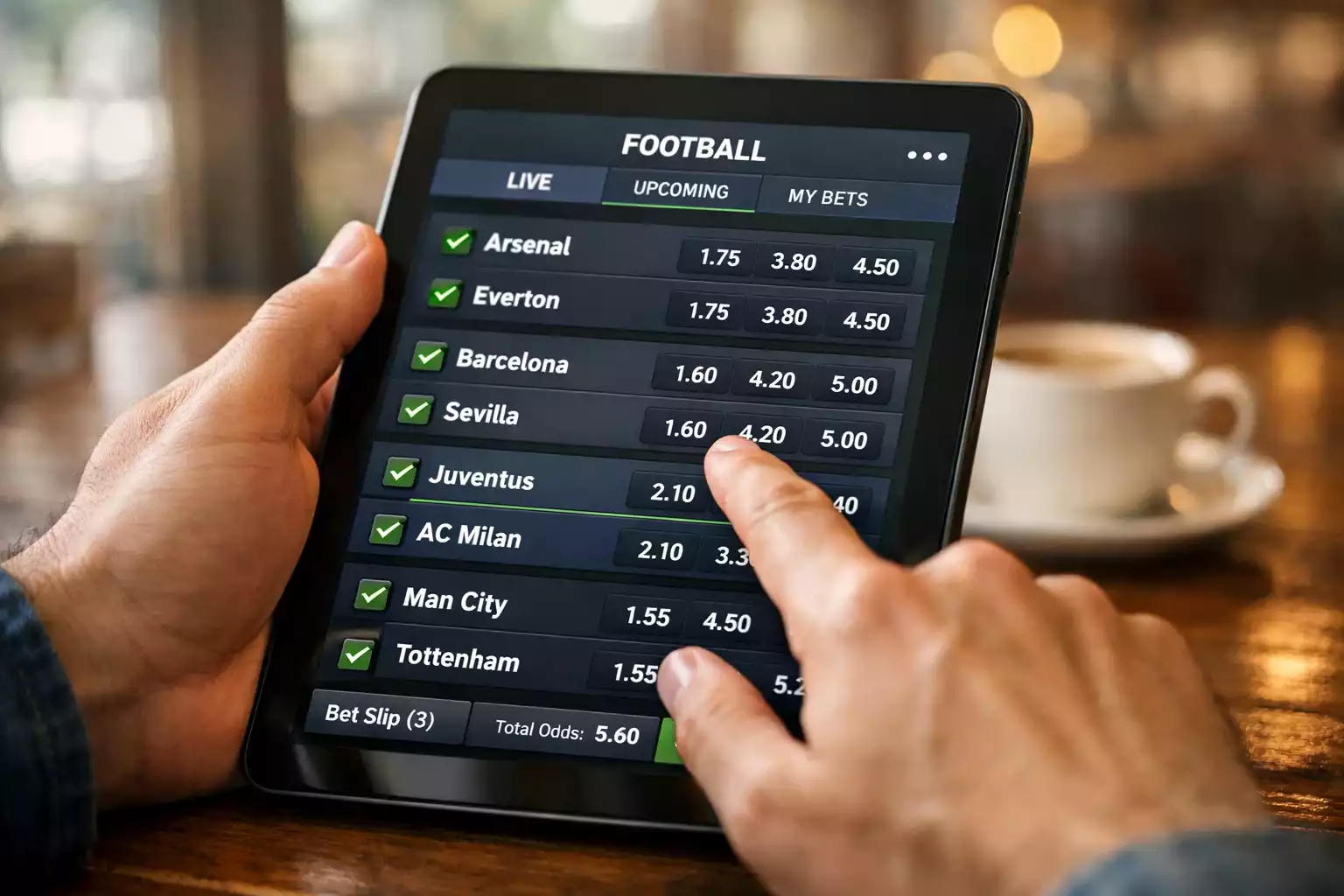
The modern betting innovation that has transformed the industry is the bet builder, also known as same game parlay. This feature allows you to combine multiple selections from the same match — match result, goalscorer, corners, cards, and more — into a single bet with multiplied odds.
Bet builders appeal because they let you express complex match predictions. Maybe you believe the home team will win 2-1, with their star striker scoring and the match producing over 9.5 corners. Previously, you would need to bet these separately or accept limitations. Now you can package them together and potentially win at 15.00 or 20.00 odds if everything lands.
The catch is that bookmakers build substantial margins into bet builder pricing. Correlated outcomes that logically go together often get priced as if they are independent, which benefits the house. A home win correlates with the home team’s striker scoring, but the combined odds might not reflect that correlation properly. Sharp bettors analyze bet builder pricing carefully and only pull the trigger when the combined proposition genuinely offers value despite the margin.
Scorecasts
Scorecasts — predicting both the first goalscorer and the correct score — represent the classic combination bet. Getting both right demands precision that most bettors cannot consistently achieve, which is why the odds often reach 50.00, 100.00, or higher. These are fundamentally lottery-style bets where variance dominates skill.
That said, understanding scorecast pricing can inform your analysis of component markets. If a scorecast pays 80.00 and you can estimate the correct score probability and first goalscorer probability separately, you can calculate whether the implied correlation pricing is fair. Sometimes it is not, and the scorecast offers theoretical value despite its high-variance nature.
Strategic Combination Approaches
The key to combination betting is respecting correlation. Adding selections that naturally align — home win, home team over 1.5 goals, home team clean sheet in a dominant favorite situation — is mathematically different from adding unrelated selections across different matches.
Within-match combinations should be analyzed as a package, asking: “Does this combination of events genuinely deserve these odds?” Cross-match accumulators, which we will not focus on here, face compounding margin problems where each leg adds bookmaker edge. Single-match combinations at least let you analyze the total proposition holistically.
Choosing the Right Market

Match Analysis Approach
Selecting the optimal market starts with thorough pre-match analysis, not with scanning available odds for interesting numbers. First, understand the match context: league position, recent form, injury news, fixture congestion, rivalry dynamics, and tactical matchups. Then ask: “What do I actually believe will happen in this match, and how confident am I in each aspect?”
If your analysis points to a narrow, tense, low-scoring affair, goals markets (under totals) and clean sheet props make sense. If you expect an open, attacking match, BTTS and over totals align with your read. If you strongly favor one side but not by a huge margin, draw no bet might capture your view. If you see a dominant performance coming, handicaps are your friend.
The market should match your analytical edge. Betting on correct scorelines when your analysis is vague wastes opportunity. Betting on simple match outcomes when you have strong conviction about manner of victory leaves money on the table.
Avoiding Common Market Selection Mistakes
The first mistake is forcing bets where no clear market presents itself. If your analysis is genuinely uncertain, the best bet is no bet. Markets exist for bookmakers to profit; you are under no obligation to find action on every match.
The second mistake is defaulting to the same market regardless of match context. If you only ever bet 1X2, you are ignoring situations where goals markets or handicaps offer superior value. Expand your repertoire based on genuine understanding, not gambling habit.
The third mistake is overcomplicating bet builders for excitement rather than value. Adding legs to increase odds does not improve expected value — it usually worsens it while creating the illusion of bigger potential returns. Discipline yourself to only combine selections that genuinely belong together based on your analysis.
Building Your Market Expertise
Mastering football betting markets takes time and deliberate study. Start with the foundational markets — 1X2, over/under goals, and BTTS — and understand their dynamics deeply before expanding to handicaps and player props. Track your bets across different market types to identify where your analysis translates into actual profit.
The best football bettors do not treat markets as isolated options but as interconnected tools for expressing predictions. The same match might offer poor value in 1X2 but excellent value in Asian handicap or corners. Learning to see these opportunities requires both statistical understanding and match-watching experience that builds intuition over seasons of focused attention.
The 2026 football betting landscape offers more markets than ever before, which means more opportunities for those willing to put in the analytical work. Understand each market’s mechanics, recognize when match conditions favor specific bet types, and never stop learning from both your wins and your losses. That is the foundation for long-term betting success.
