


The football tipster industry exists in a peculiar space between legitimate expertise and outright fraud. Scroll through social media or betting forums and you will encounter countless accounts promising guaranteed profits, insider information, and life-changing returns from following their selections. Some of these tipsters genuinely know what they are doing and can improve your betting results. Many others are running scams designed to extract money from hopeful bettors who want shortcuts to success.
Distinguishing between the two requires understanding how the tipster economy actually works, what legitimate track records look like, and which warning signs indicate deception. The stakes are significant — following a skilled tipster can accelerate your betting education and provide actionable selections you might miss, while following a fraudster drains your bankroll twice: once through losing bets and again through subscription fees for worthless advice.
This guide provides a framework for evaluating football tipsters critically. We will examine how tipsters make money, what constitutes verifiable proof of skill, how to spot common scams, and how to use tipster information intelligently even when you find a legitimate source. The goal is not to find a tipster to follow blindly but to develop the judgment needed to benefit from external expertise without becoming a victim.
Tipster Economics & Subscription Metrics

How Tipsters Make Money
Before evaluating any tipster, understand their economic incentives. Tipsters generate income through several channels, each creating different motivations that affect tip quality.
Subscription fees represent the most straightforward model — you pay monthly or annually for access to selections. This model aligns tipster and subscriber interests somewhat: the tipster needs to perform well enough to retain subscribers. However, it also incentivizes volume over quality, since tipsters need constant content to justify ongoing payments.
Affiliate commissions from bookmakers create potentially problematic incentives. Tipsters earn money when followers sign up through their referral links and bet. This means the tipster profits from your betting volume regardless of whether you win or lose. Some affiliate arrangements even pay tipsters more when their followers lose, creating obvious conflicts of interest.
Selling picks individually or through tip marketplaces creates pressure for high-confidence selections but also incentivizes overselling certainty. A tipster saying “this might be slight value” does not sell as well as one claiming “absolute lock of the century.”
Understanding which revenue streams a tipster relies on helps you assess whether their incentives align with your interests. The best tipsters are transparent about how they make money.
Realistic Expectations
Even legitimate, skilled tipsters produce modest returns compared to the astronomical profits scammers promise. Professional bettors typically achieve 3-10% return on investment over large sample sizes. A tipster delivering 5% ROI across a thousand tracked bets is genuinely excellent — and would turn a 1,000-unit bankroll into 1,050 units over that period.
This reality disappoints bettors hoping for quick riches, which is precisely why scammers promise impossible returns. Anyone claiming 30%, 50%, or 100%+ monthly returns is either lying or has insufficient sample size to validate such claims. The mathematics of betting markets simply do not allow sustained returns at those levels.
Variance affects even skilled tipsters dramatically over short periods. A tipster with genuine 5% edge might show negative returns over several months due to normal statistical fluctuation. Evaluating tipsters requires patience and large samples — exactly what most bettors lack when they want immediate results.
Evaluating Tipster Track Records
Verified Results Platforms
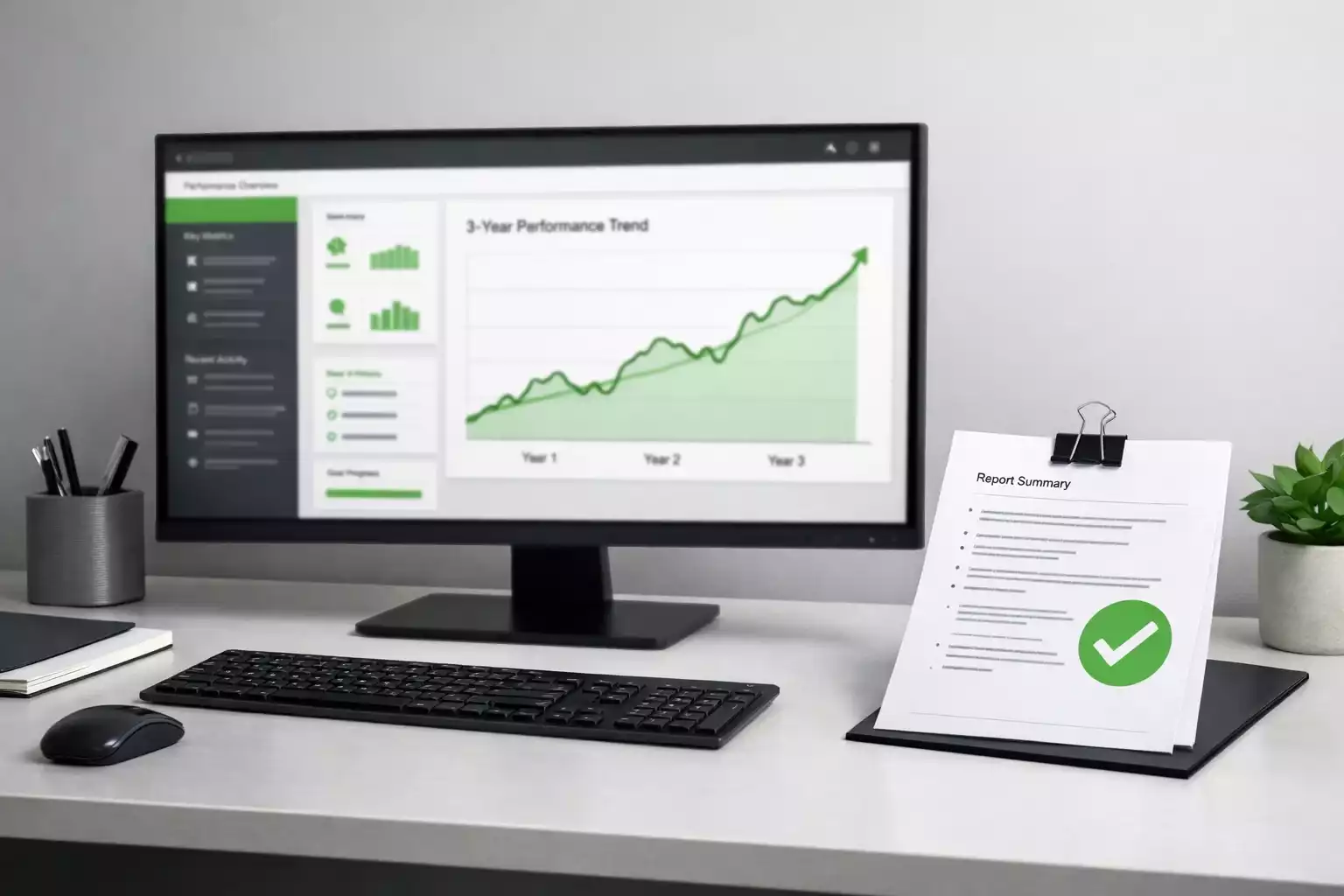
The single most important factor in tipster evaluation is independent verification of results. Any tipster can claim impressive records; only tipsters with third-party verification deserve serious consideration.
Verification platforms like Pyckio, Tipstrr, Blogabet, and Bettin.gs record tipster selections before matches start and track results automatically. The tipster cannot edit, delete, or manipulate selections after the fact. These platforms also standardize how results are calculated, preventing creative accounting that inflates apparent performance.
A tipster refusing to use verification platforms raises immediate red flags. The standard excuse — “I don’t want to share my picks publicly before matches” — makes no sense because verified platforms can restrict visibility while still recording selections. Tipsters avoiding verification usually do so because their actual results would not survive scrutiny.
When reviewing verified records, check how long the history extends and how many total picks the sample includes. A three-month hot streak means nothing; a three-year record across 500+ selections starts to indicate genuine skill.
Understanding ROI vs. Win Rate
Many bettors focus on win rate when evaluating tipsters, but this metric alone tells you almost nothing about profitability. A tipster winning 70% of picks at average odds of 1.30 loses money long-term. A tipster winning 45% at average odds of 2.40 prints money.
Return on investment (ROI) captures what actually matters: how much profit you generate per unit staked. Calculate ROI by dividing total profit by total stakes. A tipster with 5% ROI returns 5 units profit for every 100 units staked — regardless of whether they achieved this through many small wins or fewer larger wins.
Yield is closely related, sometimes used interchangeably with ROI depending on the platform. Ensure you understand how any platform calculates its performance metrics before comparing tipsters across different services.
Average odds matter because they indicate the difficulty of the tipster’s market niche. Achieving 5% ROI betting on heavy favorites at 1.20 odds is nearly impossible since margins are razor-thin. Achieving 5% ROI on longshots at 4.00+ odds is more plausible but comes with higher variance. Neither is inherently better, but the context affects how you interpret the numbers.
Sample Size and Variance
Small sample sizes make tipster evaluation essentially meaningless. A tipster could genuinely have zero skill and still show impressive short-term results through pure luck. Conversely, a skilled tipster might show poor results over a few months due to negative variance.
Statistical analysis suggests that meaningful evaluation requires at least 500-1000 tracked bets at relatively consistent stake levels. Below this threshold, variance dominates signal. Even skilled tipsters show wide result ranges over small samples that tell you little about true ability.
The math works against both bettors and tipsters here. If you follow a tipster for 50 bets and they lose, you cannot confidently say they lack skill — the sample is too small. But waiting for 500 bets costs time and potentially money. This uncertainty is why so many bettors cycle through tipsters constantly, never giving any approach enough time to prove itself while accumulating losses from subscription fees and losing streaks.
Drawdowns and Consistency
Beyond overall ROI, examine how the tipster’s results distribute over time. Maximum drawdown — the largest peak-to-trough decline in cumulative profit — reveals the worst losing streak you might experience following their picks.
A tipster with 8% overall ROI but a historical maximum drawdown of 60 units would have required you to weather a brutal losing run before recovering. If your bankroll or psychology cannot handle such swings, that tipster is unsuitable regardless of their overall profitability.
Consistency matters for practical following. A tipster who produces steady small gains with occasional losses is easier to follow than one who swings wildly between hot and cold streaks. Both might achieve the same long-term ROI, but the second demands more psychological resilience and bankroll depth.
Free vs. Paid Tipsters
When Free Tips Work
Free tipsters exist across social media, forums, and dedicated websites. Some provide genuine value; many do not. Understanding why someone offers free tips helps assess whether their selections deserve attention.
Hobbyist tipsters share picks because they enjoy the community aspect of betting discussion. These tipsters might have real knowledge in specific niches, particularly less-followed leagues where dedicated fans accumulate expertise that casual bettors lack. The best free tipsters often specialize narrowly rather than covering everything.
Tipsters building reputation before launching paid services have incentive to perform well initially. Their free period essentially serves as marketing, so they may put extra effort into selections during this phase. Following such tipsters early can provide value, though quality sometimes declines once they transition to paid models.
Affiliate-driven free tipsters make money through bookmaker referrals rather than subscription fees. This model can work for followers if the tipster’s affiliate income depends on bettor success, but creates problems when affiliates profit regardless of outcomes.
Paid Service Considerations
Paid tipster services range from affordable monthly subscriptions to premium packages costing hundreds per month. Price alone indicates nothing about quality — expensive services are not necessarily better, and cheap services are not necessarily worse.
Evaluate paid services against the mathematical reality of expected returns. If a tipster charges 50 units per month but their verified track record suggests 5% ROI, you need to stake roughly 1,000 units monthly just to break even on subscription costs. Many bettors subscribe to services without doing this basic calculation, guaranteeing losses even if the tipster performs as advertised.
Trial periods and money-back guarantees signal tipster confidence in their product, though the latter can be difficult to actually claim. Prefer services that allow monthly cancellation over those requiring long-term commitments. Legitimate tipsters confident in their ability should not need to lock subscribers into annual contracts.
The best reason to pay for a tipster is access to expertise in areas where you lack knowledge. If a tipster specializes in Korean K-League football and you want to bet that market but have no baseline knowledge, paying for their research makes sense. Paying for tips in markets you already understand well makes less sense — you are buying selections you could potentially generate yourself.
Assessing Subscription Value
Calculate the minimum betting volume needed to profit from any paid subscription. Divide the subscription cost by the tipster’s historical ROI to find break-even stakes. If the result exceeds your typical monthly betting volume, the subscription cannot be profitable for you regardless of tipster quality.
Consider also the time value of doing your own research versus paying someone else. If a tipster subscription saves you ten hours monthly on match analysis, that time savings has value even if you could eventually develop similar skills yourself. Just ensure the tips actually perform well enough to justify both the financial and opportunity costs.
Red Flags and Scams

Fake Screenshots and Manipulated Results
The most common tipster scam involves fabricated evidence of winning bets. Screenshots of betting slips are trivially easy to fake using image editing software or even inspect-element browser tricks. Never accept unverified screenshots as proof of tipster ability.
Post-edited results involve tipsters sharing winning selections after matches conclude while claiming they were sent beforehand. Some scammers run multiple private groups simultaneously, sending different selections to each group, then promoting whichever group received the winning picks. This survivorship bias creates the illusion of consistent success from pure randomness.
Deleted losing picks represent a subtler manipulation. A tipster might share ten selections publicly, then quietly delete the six that lost while promoting the four winners. Following such a tipster in real-time would produce losses, but their curated public feed shows only success.
The only defense against these manipulations is third-party verification. If a tipster’s results are not independently recorded before matches start, assume the claimed record is fabricated until proven otherwise.
Unrealistic Profit Claims
Any tipster promising guaranteed profits is lying. Betting involves irreducible uncertainty; no legitimate expert claims certainty. Similarly, promised returns exceeding 10-15% monthly should trigger immediate skepticism. Such returns are mathematically implausible over sustained periods in betting markets.
“Fixed matches” and “insider information” claims are almost universally scams. Actual match-fixing does occur, but those involved do not sell information to random internet strangers for subscription fees. They bet the information themselves and tell no one. Anyone claiming access to fixed match information is either lying or setting up a scam.
Testimonials and social proof can be fabricated as easily as results. Screenshots of grateful customers, claimed celebrity endorsements, and stories of followers becoming rich deserve the same skepticism as claimed betting records. Verification or nothing.
High-Pressure Sales Tactics
Scam tipsters often employ urgency and scarcity tactics borrowed from other fraudulent industries. Limited-time offers, claims that prices will increase tomorrow, and pressure to subscribe immediately before missing out all indicate manipulation rather than legitimate service.
Genuine tipsters with verified track records do not need high-pressure sales. Their results speak for themselves, and they can afford to let potential subscribers evaluate carefully. Desperation to close sales quickly usually indicates the tipster knows their offering cannot withstand scrutiny.
Requests for payment through untraceable methods like cryptocurrency or gift cards guarantee scams. Legitimate services accept standard payment methods that offer buyer protection. Anyone insisting on payment methods that prevent chargebacks is planning to disappear with your money.
Social Media Scam Patterns
Telegram, Twitter, and Instagram host enormous numbers of fraudulent tipsters. Common patterns include accounts with purchased followers, reposted content from legitimate sources presented as original analysis, and coordinated networks of fake accounts promoting each other.
Flashy lifestyle content — sports cars, luxury watches, exotic vacations — often accompanies scam tipster accounts. The implicit message is that following their tips funds such lifestyles. In reality, the lifestyle content is typically rented or fabricated, designed to attract victims who want the same success.
Account age and consistency provide some signal. An account operating for years with steady content is more likely legitimate than one that appeared recently with aggressive promotion. Scammers frequently abandon accounts and start fresh when complaints accumulate.
Trusted Tipster Platforms

Verification Services
Legitimate verification platforms provide the infrastructure for honest tipster evaluation. Pyckio operates as a marketplace connecting verified tipsters with subscribers, taking a cut of subscription revenue in exchange for result verification and payment processing. Their verification is robust, making it a reasonable starting point for finding potentially trustworthy tipsters.
Blogabet offers free tipster tracking where anyone can register and record picks. The open nature means tip quality varies enormously, but the verification itself is reliable. Sorting by long-term ROI across large samples helps identify genuinely skilled contributors among the noise.
Tipstrr provides similar functionality with both free and paid tipster options. Their platform emphasizes transparency metrics that help evaluate tipsters beyond simple ROI numbers.
None of these platforms guarantee tipster quality — verification only confirms that claimed results are accurate, not that future results will match past performance. But verification is the minimum threshold for consideration.
Community Tipster Sites
Betting communities like OLBG and Betting Expert feature user-submitted tips with varying levels of verification and quality control. These communities can surface genuine expertise, particularly in niche markets where dedicated enthusiasts accumulate knowledge.
The challenge with community sites is filtering signal from noise. Anyone can post tips, and most contributors lack edge. Identifying the skilled minority requires examining long track records and understanding the statistical significance of their results.
Community reputation systems help somewhat — tipsters with years of positive feedback and verified results from thousands of picks have demonstrated something, even if not guaranteed future success. New accounts with limited history deserve proportionally less trust.
What to Look for in Platforms
When evaluating any tipster platform, verify that selections are recorded with timestamps before matches begin. Confirm that results cannot be edited or deleted after the fact. Check that the platform calculates ROI consistently using reasonable assumptions about stake sizes and odds availability.
Transparency about methodology matters. Platforms that explain exactly how they verify tips and calculate results deserve more trust than those operating as black boxes. Similarly, tipsters who explain their reasoning provide more value than those who simply announce selections without context.
Examine how the platform handles disputes between tipsters and subscribers. Clear policies and responsive support indicate legitimate operations. Platforms that ignore complaints or make refunds impossible are likely more concerned with extracting money than providing value.
Using Tipster Information Wisely
Supplementing Rather Than Replacing Research
Even when following legitimate tipsters, blind copying destroys most of the potential value. Tips work best when integrated into your own analysis framework rather than followed automatically without thought.
Use tipster selections as starting points for your own research. When a tipster you respect suggests a pick, examine their reasoning and verify it against your own analysis. If you agree, the convergence increases confidence. If you disagree, understand why before deciding whether to follow the tip.
Tipster reasoning often matters more than the specific selection. A tipster explaining their analytical process teaches you to fish rather than giving you fish. Over time, absorbing their methodology improves your own analysis even if you eventually stop following their specific picks.
Learning from Skilled Tipsters
The best use of tipster services is educational. Observe how skilled analysts approach match research, which statistics they emphasize, how they identify value, and how they handle losing streaks. These lessons persist long after you stop subscribing.
Note which markets and leagues different tipsters specialize in. A tipster crushing Asian handicap markets uses different skills than one excelling at correct scores. Understanding these distinctions helps you identify which expertise complements your own and which overlaps without adding value.
Track your results from tipster picks separately from your own selections. This data reveals whether following tips actually improves your overall performance or simply adds variance without edge.
Maintaining Independent Judgment
Never outsource your betting judgment entirely to any external source. Tipsters can be wrong, can have off periods, can change their approach in ways that degrade performance, or can simply stop providing tips without warning. Building complete dependence on external selections leaves you vulnerable.
Develop your own analysis skills in parallel with following tipsters. Eventually, you should be able to evaluate whether a tipster’s reasoning makes sense rather than taking their word on faith. This independence protects you from both tipster mistakes and tipster scams.
Set clear rules for position sizing and bankroll management regardless of tipster recommendations. A tipster suggesting ten units on a selection does not mean you should risk ten units if that violates your personal risk management rules. Their bankroll and risk tolerance differ from yours.
Building Your Own Expertise
Developing Analysis Skills
The ultimate goal for serious bettors is developing expertise that makes external tipsters unnecessary. This requires deliberate practice in match analysis, statistical interpretation, and value identification.
Start by focusing on a single league or market where you can build deep knowledge. Generalist tipsters spread attention thin; specialists develop genuine edge. Choose a focus area that interests you enough to sustain research effort over months and years.
Record your own predictions and track results with the same rigor you would demand from a tipster. This self-assessment reveals your actual skill level and identifies areas needing improvement. Most bettors overestimate their abilities because they never track results honestly.
Creating Your Own Tips
Once your tracked record demonstrates genuine skill, you possess something valuable. Some bettors monetize this through tipster services themselves. Others simply profit from their own betting without selling picks.
If you consider becoming a tipster, understand the economics discussed earlier in this article. Building audience and credibility requires sustained effort over years. Most aspiring tipsters quit before accumulating meaningful track records because the early phase offers effort without reward.
Alternatively, keep your edge private and focus on maximizing your own returns. Not every skilled analyst needs to become a public tipster. The advantage of keeping your methods confidential is that you never worry about market impact or idea theft.
When Tipsters Become Unnecessary
As your skills develop, tipster value diminishes. Eventually, paid subscriptions cost more than they add because you can generate equivalent or better selections independently. Recognizing this transition point and cutting subscription costs improves net profitability.
Some bettors continue following tipsters in markets outside their expertise even after developing strong skills elsewhere. This specialization approach makes sense — a Premier League expert might still benefit from a Serie A tipster rather than developing Italian football knowledge from scratch.
The endpoint of betting education is self-sufficiency: the ability to analyze matches, identify value, manage bankroll, and handle variance without external guidance. Tipsters can accelerate this journey but should never become permanent crutches that prevent developing independent capability.
The Path Forward
Navigating the tipster landscape requires skepticism, patience, and clear thinking about what legitimate expertise actually looks like. The vast majority of tipsters are either unskilled or actively fraudulent. Finding the genuine minority demands verification standards that most bettors fail to apply.
Even when you find legitimate tipsters, their value is supplementary rather than foundational. Use external expertise to accelerate learning and cover knowledge gaps, but build independent analysis skills that eventually reduce or eliminate tipster dependence. The bettors who profit long-term are those who develop genuine expertise — whether through tipster education, self-teaching, or some combination — rather than those who permanently outsource their thinking to others.
Approach tipster evaluation with the same rigor you would apply to any investment decision. Demand evidence, verify claims independently, calculate whether the economics work for your situation, and never let hope override analysis. The tipster industry profits enormously from bettors who want to believe shortcuts exist. Prove yourself different by insisting on substance over promises.
